your vehicle
FIND YOUR BULB
VIEW BULB OPTIONS FOR MY VEHICLE
EXTERIOR LIGHTS
INTERIOR LIGHTS
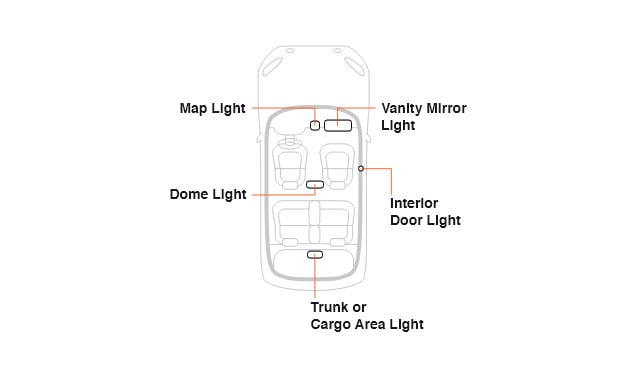
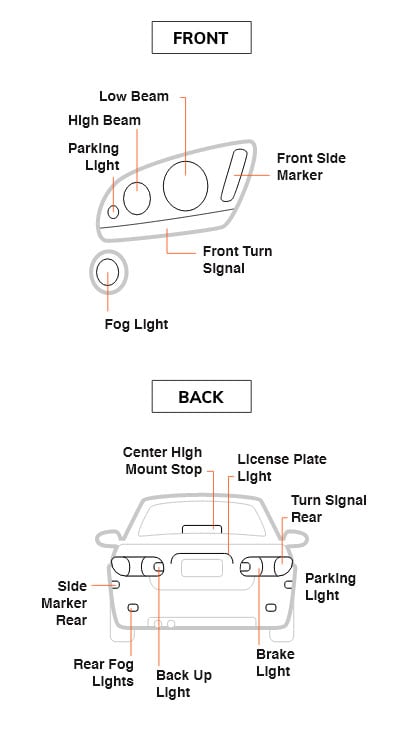
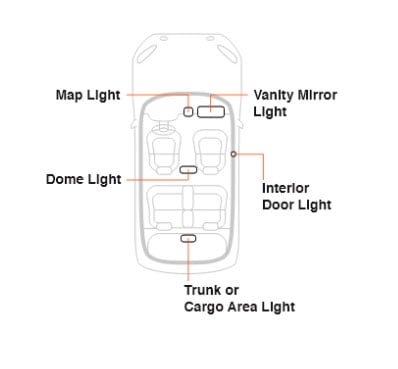
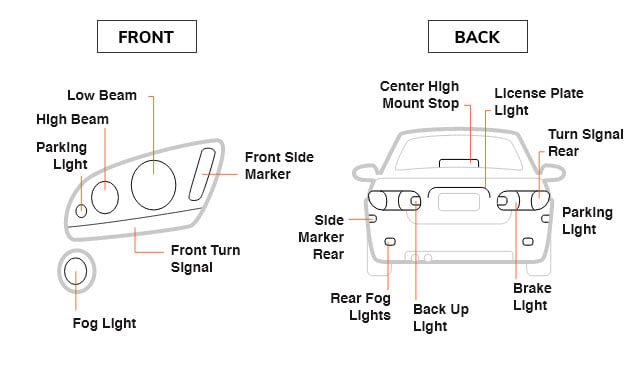
Please consult your Owner’s manual for bulb name and placement specific to your vehicle model.
*Don't see your vehicle? We are continually updating our data, please check back.
*Don't see your vehicle? We are continually updating our data, please check back.


Be prepared for the unexpected when travelling this summer. SYLVANIA compact tire inflators provide inflation on-the-go for tires, toys and more.

Just like tires and brakes, your headlight bulbs wear down over time and can lose up to 50 feet of visibility before burnout. Switch today - and see better tonight.

Restore the appearance of dull, yellowed headlight lenses for improved visibility at night with our Award-Winning DIY Headlight Restoration Kit.


Learn about our products along with tips and tricks from industry experts

Guides for use and installation of our lighting and assorted auto care products.